Welcome to Julia Rewrites Life — a gentle place to heal, reconnect, and feel supported.

Letting Go of the Past After You’ve Healed: Why Holding on Keeps You Stuck

Healing is often described as this beautiful, freeing experience, a moment where the weight lifts, the pain softens, and you finally feel like you can breathe again. But what people don’t talk about enough is what happens after the healing begins. What happens when the hurt has loosened its grip, but the memories, resentment, and old stories still cling to you?

Because the truth is this:
You can heal and still be holding on to the past.
And that quiet grip can keep you from fully stepping into the life you’re trying to build.

Letting go isn’t easy. It’s not instant. And it’s definitely not linear. But it is one of the most powerful steps you can take on your healing journey.

Why Holding on Keeps You Stuck

Even after the pain fades, the past can still echo through your thoughts:
• replaying what someone did to you
• holding resentment toward people who hurt you
• feeling angry about what you didn’t receive
• carrying guilt or shame from old versions of yourself
• staying attached to the story of “what happened”

These things don’t just live in your mind…they live in your body.
They shape how you trust, how you love, how you show up, and how you see yourself.
And when you hold on too tightly, you unintentionally keep yourself tied to the very thing you’re trying to move beyond.

Letting go isn’t about pretending it didn’t happen.
It’s about choosing not to let it control you anymore.

Forgiveness: The Hardest, Most Freeing Step

Forgiveness is one of the most misunderstood parts of healing.

People say, “Just forgive and move on,” as if it’s a switch you can flip.
But forgiveness is not simple. It’s not quick. And it’s not always clean.

Sometimes the hurt is so deep that you can’t even imagine forgiveness.
Sometimes the betrayal was so sharp that letting go feels impossible.
Sometimes the resentment feels like the only thing protecting you.

And that’s okay.
Forgiveness is a process, not a moment.

But here’s the truth that healing eventually teaches you:
Forgiveness isn’t about them… it’s about freeing yourself.

It’s about releasing the emotional weight that keeps you tied to the past.
It’s about choosing peace over bitterness.
It’s about giving yourself permission to move forward without dragging the old pain with you.

Forgiveness doesn’t mean:
• you trust them again
• you excuse what they did
• you forget the hurt
• you let them back into your life

It simply means you’re choosing you over the pain.

Why Letting Go Is Easier Said Than Done

Letting go sounds beautiful in theory, but in reality, it’s messy.

There are days when you feel strong and ready to release everything.
And then there are days when the memories hit you out of nowhere and you feel like you’re back at the beginning.

This is normal.

Letting go is hard because:
• the pain shaped you
• the memories feel familiar
• the resentment feels justified
• the past feels safer than the unknown
• the hurt became part of your identity

But healing asks you to loosen your grip.
To trust that you can build a life beyond what happened.
To believe that you deserve peace.

How Letting Go Helps You Move Forward

When you release the past, even slowly, you create space for:
• healthier relationships
• deeper self‑love
• emotional freedom
• clarity
• new beginnings
• peace that doesn’t depend on anyone else

Letting go doesn’t erase your story…it simply stops it from controlling your future.

You deserve a life that isn’t defined by what hurt you

How to Start Letting Go (Even When It Feels Impossible)

Here are gentle, realistic steps you can take:

1. Acknowledge the hurt without living in it
You can honor what happened without letting it define you.
Write it down. Say it out loud. Name it.
Then remind yourself: This is something I experienced, not who I am.

2. Release the need for closure
You may never get the apology, explanation, or accountability you deserved.
Letting go means choosing peace even without closure.

3. Practice forgiveness in small steps
Forgiveness doesn’t have to be all at once.
Start with:
“I’m open to releasing this when I’m ready.”
That alone begins the shift.

4. Stop revisiting the story
Every time you replay the past, you reopen the wound.
When the thoughts come, gently redirect:
“That chapter is closed. I’m choosing peace.”

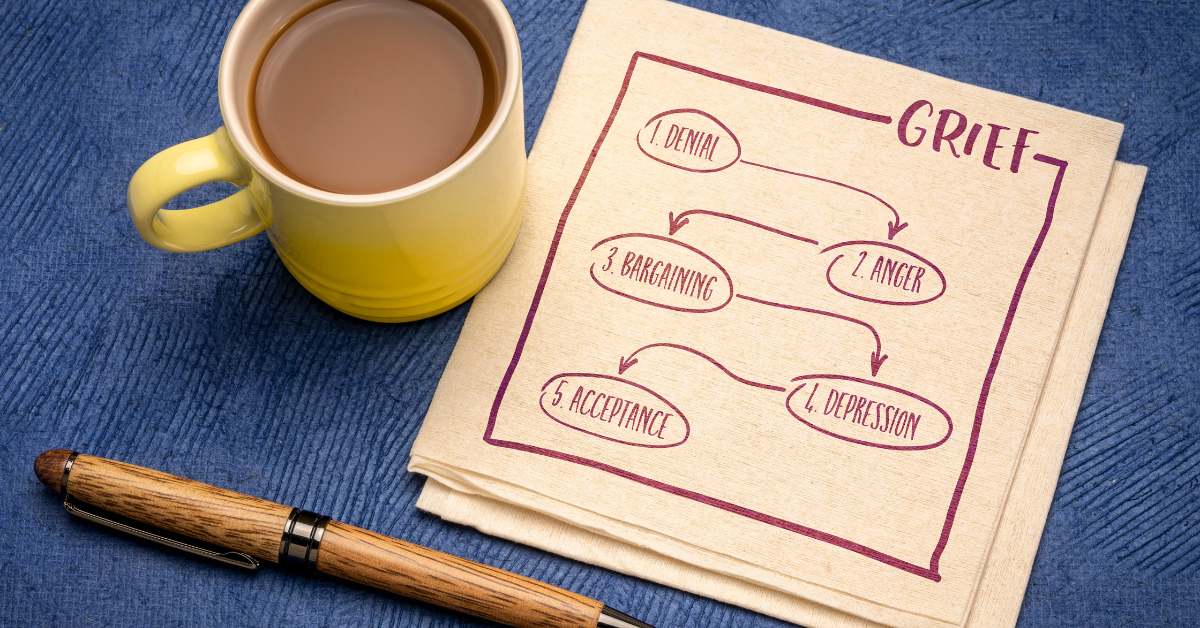
5. Let yourself feel the grief
Letting go is a loss, even if you’re letting go of pain.
Grieve the version of you who carried it for so long.

6. Focus on who you’re becoming
Shift your energy toward the life you’re building:
• healthier love
• stability
• peace
• motherhood
• new dreams
• a future that feels warm

Let your future pull you forward.

7. Seek support if you need it
You don’t have to do this alone.
A safe person, a therapist, or a healing community can help you release what feels too heavy to carry by yourself.

Final Thoughts: Letting Go Is a Gift You Give Yourself

Letting go doesn’t mean the past disappears.
It means you’re choosing not to let it hold you hostage anymore.

You’re choosing peace.
You’re choosing freedom.
You’re choosing yourself.

And that choice…even when it’s hard, even when it’s slow…is one of the most powerful acts of healing you will ever make.